






Roehampton Club large item rubbish removal and pickup tips
Posted on 14/10/2026
If you are dealing with a bulky sofa, a worn-out wardrobe, or a heavy treadmill that has somehow become part of the scenery, Roehampton Club large item rubbish removal and pickup tips can save you a lot of time, effort, and awkward manoeuvring. Truth be told, large-item waste is rarely as simple as dragging something to the kerb and hoping for the best. You need a plan, a safe lift, and a sensible pickup option that fits the size, weight, and condition of the item.
This guide walks you through the practical side of removing bulky rubbish in Roehampton, from preparation and collection choices to compliance, safety, and simple tricks that make the whole job smoother. If you are clearing one item or a whole pile, you will find useful, real-world advice here - the sort that helps you avoid last-minute headaches and half-finished jobs.

Why Roehampton Club large item rubbish removal and pickup tips Matters
Large-item disposal matters because bulky waste is different from everyday rubbish. It is awkward to move, easy to damage walls or floors with, and often impossible to fit into standard bins. A single item can become a small project if you do not think it through first. You know the feeling: a sofa gets turned sideways in a hallway, someone loses grip, and suddenly the lamp is wobbling, the paintwork has a scrape, and everyone is pretending it was meant to happen.
In a place like Roehampton, where homes, driveways, access routes, and collection points can vary a lot, a bit of planning goes a long way. These pickup tips help you avoid blocked entrances, missed collections, unnecessary back-and-forth, and the common problem of leaving an item out in a way that is not practical or compliant.
It also matters for neighbourly reasons. Large items left too long can look messy, attract complaints, and make shared spaces harder to use. A tidy, timely pickup process keeps things moving and keeps stress down. That is the goal, really.
How Roehampton Club large item rubbish removal and pickup tips Works
Large item rubbish removal usually falls into one of a few practical routes. The right one depends on what you are moving, where it is located, and how soon it needs to go.
Typical removal routes
- Booked removal service: A team collects bulky items from inside or outside the property, usually after a booked visit.
- Kerbside pickup preparation: Items are placed out in an agreed location ready for collection, where permitted.
- Mixed clearance: Large items are removed alongside other waste, like bagged clutter, furniture, or garden debris.
- Special handling: Heavy, awkward, or fragile pieces are assessed for safer dismantling before removal.
The process normally starts with an assessment. Good operators want to know item type, size, number of floors, access issues, and whether the item can be broken down. That is not fussiness; it is how you avoid surprises on the day. A wardrobe that looked manageable in a hallway can feel very different once you discover a tight turn by the stairs.
For broader support, some people use a combined service approach. If you are clearing more than one space at once, it can be sensible to look at the wider help available through the local services overview or explore rubbish removal in Roehampton for a more general collection option.
Many customers also compare whether the job is best handled as a one-off item pickup or bundled into something more comprehensive like house clearance in Roehampton. If there is a loft full of old furniture or a garage full of forgotten bits and pieces, that wider route can be a lot easier.
Key Benefits and Practical Advantages
There are a few clear advantages to handling large-item rubbish properly rather than improvising.
- Less physical strain: Heavy lifting is exhausting and risky when done badly.
- Cleaner access routes: You avoid dragging dirty or damaged items through the house.
- Fewer delays: With the right prep, collection is faster and smoother.
- Better safety: Reduced chance of cuts, trapped fingers, strained backs, or property damage.
- Improved presentation: Useful if the property is being sold, let, renovated, or reopened for regular use.
- More efficient sorting: Reusable or recyclable items can often be separated more easily when the job is planned well.
There is also a psychological benefit, and it is not small. Clearing one bulky item often makes a room feel instantly calmer. You notice the extra light, the space around the walls, the fact that you can actually walk through without turning sideways. Small win, but a real one.
If sustainability is part of your decision-making, it helps to work with providers who think about reuse and disposal responsibly. A good starting point is the site's recycling and sustainability approach, especially when you want to avoid sending anything reusable straight to waste.
Who This Is For and When It Makes Sense
Large-item removal makes sense for all sorts of people, not just those in a full-scale clearance situation. In practice, it is often the best choice when the item is too large, too heavy, or too awkward to handle without help.
Common situations where it helps
- Replacing old furniture after a move or refurbishment
- Removing a broken mattress, sofa, wardrobe, or desk
- Clearing student accommodation or shared housing
- Emptying a spare room, basement, shed, or garage
- Preparing a rental property for new occupants
- Dealing with office furniture that has reached the end of its life
It also makes sense when time is limited. If you are between commitments, managing a busy household, or working to a move-out deadline, the convenience can be worth it on its own. Let's face it, most people do not want to spend a Saturday wrestling a bookcase down the stairs.
For commercial spaces, schools, clinics, and offices, bulky waste often needs to be removed with minimal disruption. That is where an approach like office clearance in Roehampton can be useful if you are dealing with desks, chairs, shelving, and old storage units. For outdoor items or green-waste-related bulky objects, garden waste removal in Roehampton may fit better.
Step-by-Step Guidance
Here is the practical part. If you want a smoother pickup day, work through the process in a calm, methodical order.
1. Identify exactly what needs to go
List each item separately. A sofa is not just "a sofa" if it has to pass through a narrow doorway, and a wardrobe is not just "wooden furniture" if it needs dismantling. Count the pieces, estimate weight, and note anything fragile, dirty, or sharp.
2. Check access from start to finish
Measure doorways, hallways, stair turns, garden paths, gates, and any tight corners. If the item cannot be lifted or rotated safely, dismantling may be needed before collection. One missed measurement can change everything. It happens often enough.
3. Decide whether the item can be reused or recycled
If something still has life in it, separate it from general waste where possible. Furniture in decent condition, functioning appliances, and usable office fittings may need a different route from damaged or contaminated items.
4. Clear the route
Move shoes, plants, bins, small furniture, and anything else that could get knocked. Protect floors if needed. A rolled rug, blanket, or thin sheet can help prevent scuffs. Sounds obvious, but the obvious things are the ones people skip when they are in a hurry.
5. Book the right type of removal
Choose a service that matches the item, the access, and the timing. If the job includes mixed waste, mention that up front. If there are stairs or no lift, say so. The more accurate the description, the better the result.
6. Prepare the item before pickup
Remove cushions, drawers, loose glass shelves, batteries, and anything detachable. Tape drawers shut if they might swing open. If an item has sharp edges, wrap them. If it smells damp or mouldy, say that too. Nobody likes surprises, especially the sort that sting your nose when the item is lifted.
7. Confirm where the item should be left or collected from
Some items can be collected from inside; others should be placed outside at a suitable point. Keep the agreed location clear and practical, ideally with enough room for safe handling.
8. Stay available for access questions
If the team needs a gate opened, a resident contacted, or a second look at the item, quick answers help the job move faster. It is a small thing, but it prevents the classic "we were nearly done" delay.
Expert Tips for Better Results
A few small choices make a big difference with bulky items.
- Photograph awkward items before collection: It helps clarify condition, size, and access.
- Break things down early if you can: A dismantled bed frame or flat-pack wardrobe is much easier to manage.
- Keep screws and fittings together: Use a labelled bag so nothing goes missing if the item might be reused or reassembled.
- Separate recyclable materials: Metal, untreated wood, and some electronics often need different handling.
- Think about the route, not just the item: Stairs, lifts, thresholds, and tight bends matter as much as weight.
- Don't leave it until the morning of collection: Rushing rarely improves anything.
If you are unsure whether an object counts as a large item or something more specialised, ask for guidance before moving it. That way, you avoid wasting time lifting the wrong thing in the wrong way. You know how it goes - what looked "not too bad" at 9 a.m. becomes a bit of a monster by 10.
A useful rule of thumb: if you would hesitate to carry it alone for a short distance, treat it as a planned move, not a casual drag-and-drop job. That sounds simple, but it saves back pain and apologetic phone calls.

Common Mistakes to Avoid
Most bulky-waste problems come from the same handful of errors.
- Guessing the size or weight: Leads to wrong equipment and slower removal.
- Ignoring access issues: A good item description means nothing if it cannot get out the door.
- Mixing up recyclable and general waste: Makes sorting harder and can reduce reuse options.
- Leaving sharp or breakable parts exposed: Creates avoidable safety risks.
- Forgetting about shared spaces: Hallways, stairs, and entrances need to stay clear.
- Booking too late: Especially when you have a move, refurbishment, or event deadline.
- Assuming every service handles every item: Some bulky items need specialist care or separate handling.
Another common mistake is underestimating how long prep takes. Even one item can take longer than expected if it needs dismantling, sorting, or multiple people to move safely. That is not a failure; it is just the reality of bulky waste.
Tools, Resources and Recommendations
You do not need a garage full of equipment to manage a large item pickup well. A few basic tools are often enough.
| Tool or resource | Why it helps | Best for |
|---|---|---|
| Measuring tape | Checks doorways, stairs, and item dimensions | Furniture, appliances, awkward items |
| Work gloves | Improves grip and protects hands | Rough edges, dirty surfaces |
| Blankets or floor protectors | Reduces scuffs and friction | Indoor moves |
| Labels and marker pen | Keeps screws and parts organised | Dismantled furniture |
| Ratchet straps or strong tape | Keeps doors and drawers secure | Cabinets, wardrobes, chests |
| Phone camera | Records condition and access | Quotes, planning, and clarity |
For a complete removal solution, some people prefer to combine bulky items with other waste in one booking. If that sounds familiar, the local waste clearance in Roehampton page can be a helpful next stop. And if the load includes construction debris, the builders waste disposal option may be a better fit.
Also worth saying: if you are comparing providers, do not look only at price. Clarity, handling care, insurance, and collection reliability matter too. Cheap becomes expensive pretty quickly when a wall gets chipped.
Law, Compliance, Standards, or Best Practice
When dealing with large-item rubbish in the UK, a careful approach is always the right one. You do not need to become a legal expert, but you should understand the basics of responsible disposal.
First, only hand waste to a legitimate carrier or approved collection route. If you give bulky waste to someone who cannot explain where it goes, you may end up with a fly-tipping problem you never intended to create. That is the kind of headache nobody wants.
Second, keep access routes safe. This matters in homes, businesses, and shared spaces. Items should not block fire exits, entrances, or communal pathways. If there are stairs, heavy objects, or fragile surfaces involved, sensible manual-handling practice should be followed.
Third, separate items that need special treatment. Some objects contain components that should not be treated as ordinary rubbish. That includes certain electrical items, damaged materials, or pieces with fluid residues. If in doubt, ask before the pickup day.
Fourth, be careful with personal data. Old office furniture, cabinets, and storage units can contain files, labels, or paperwork. Remove confidential items before anything leaves the building. Simple, but easy to miss.
Best practice is really just common sense backed by proper handling: give accurate information, prepare the item safely, and make sure it goes to the right place. That is what good disposal looks like. Nothing flashy, just solid and responsible.
Options, Methods, or Comparison Table
There is no single best method for every bulky-item job. The right choice depends on how many items you have, how heavy they are, and how quickly they need to go.
| Method | Best for | Pros | Trade-offs |
|---|---|---|---|
| Single-item pickup | One sofa, mattress, appliance, or wardrobe | Simple, quick, focused | Less efficient for multiple items |
| Bulky item bundle | Several large items at once | Good value, fewer bookings | Needs better planning and sorting |
| Full clearance | Rooms, offices, garages, or whole properties | Most thorough, less hassle | More involved and may take longer |
| Specialist disposal | Unusual, fragile, or difficult items | Safer for tricky waste streams | May need more specific information |
As a rule, one item with good access is easy. A few items with tight access are still manageable. A lot of items plus stairs plus limited parking? That is when planning really pays off. Nobody enjoys discovering that on the day, mid-lift, when the air already feels a bit too warm.
Case Study or Real-World Example
A small family in Roehampton needed to clear a large corner sofa, a broken armchair, and an old wardrobe before new flooring was due to be fitted. At first glance, it seemed like a straightforward job. But once they measured the hallway, they realised the wardrobe would not pass the turn near the staircase in one piece.
Instead of forcing the issue, they dismantled the wardrobe in advance, removed the doors and fittings, and grouped the screws into a labelled bag. They also moved a plant stand and shoe rack out of the route, then protected the floor with a blanket near the front entrance. Small steps, big difference.
On the collection day, the items were ready, access was clear, and the removal team could work quickly. The whole room felt completely different by the end of the morning. Not glamorous, maybe, but deeply satisfying. The kind of job where you stand there for a second and think, yes, that was worth it.
This is exactly why preparation matters. The item itself is only half the story. The route, the timing, and the handling all matter just as much.
Practical Checklist
Use this simple checklist before your pickup.
- Confirm exactly which items are going
- Measure doors, stairs, gates, and tight turns
- Check whether the item can be dismantled
- Remove loose parts, cushions, shelves, and drawers
- Separate anything reusable, recyclable, or confidential
- Clear the route from the item to the exit
- Protect floors and nearby surfaces if needed
- Take photos if the item is awkward or heavy
- Confirm the collection time and access instructions
- Keep the pickup area free and easy to reach
Expert summary: The best large-item pickups are usually the boring-looking ones - the ones where the item was measured, the route was cleared, the details were shared clearly, and nobody had to improvise with a wardrobe on the stairs.
If you are pricing up the job, it may help to review the local pricing and quotes information before you book. That gives you a better sense of how the work may be assessed and what details matter most.
Conclusion
Roehampton Club large item rubbish removal and pickup tips are really about making bulky waste manageable. Measure properly, prepare the route, separate what needs separating, and choose the right pickup method for the job. That is the heart of it. Once the plan is in place, the stress drops fast.
Whether you are clearing one heavy item or tackling a bigger space, a calm, practical approach will usually beat a rushed one. And if you value safety, tidiness, and a smoother handover, the extra effort at the start pays for itself very quickly.
Get a free quote today and see how much you can save.
For more background about the team, you can also browse about us or learn more from the local Roehampton living insights if you want a better feel for the area and how people here handle everyday clear-outs.
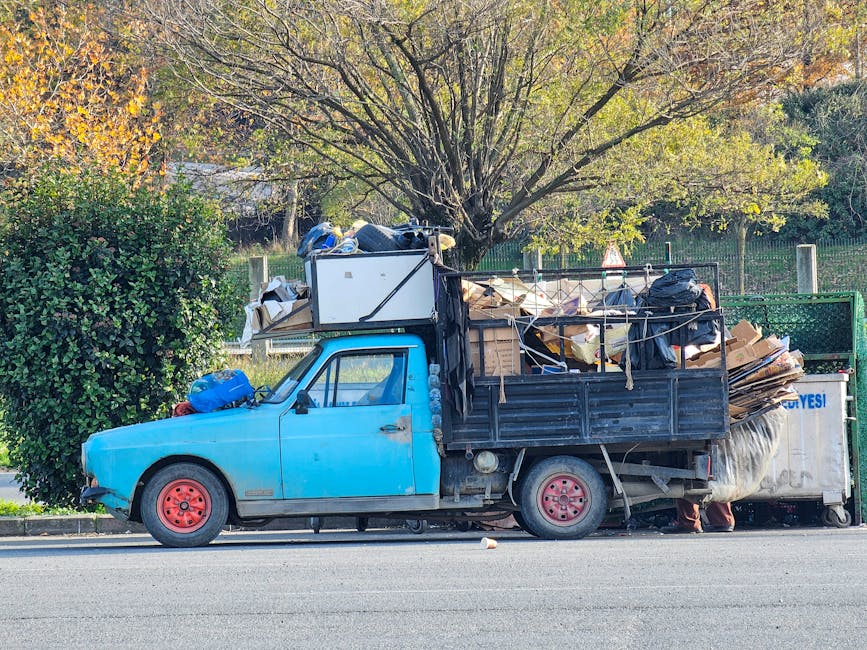


 Tipper Van - Rubbish Removal and Waset Disposal Prices in Roehampton, SW15
 Luton Van - Rubbish Removal and Waset Disposal Prices in Roehampton, SW15